


 Blog
Blog
How to Design Laboratory Barcode Labels for Reliable Scanning
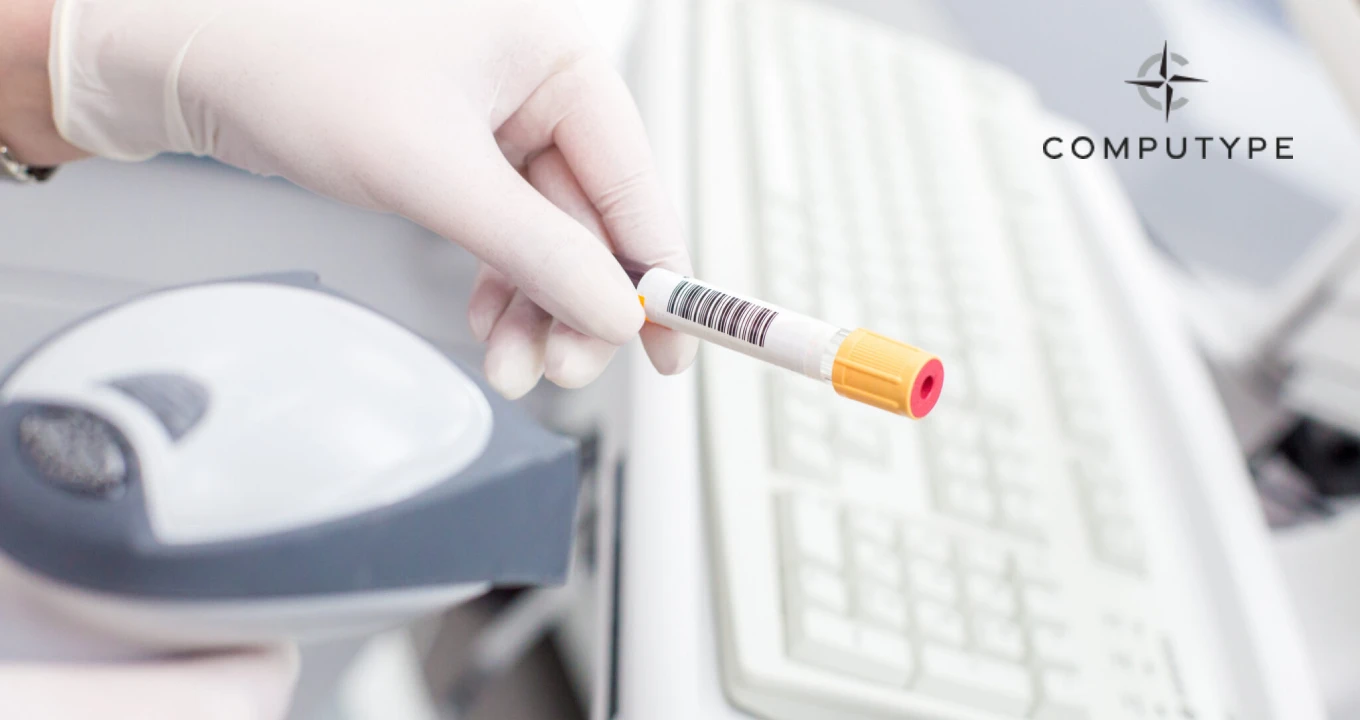
We’re pleased to share insights from Computype, specialists in durable labelling solutions helping industrial and laboratory organisations identify, track and protect their products and assets. The following is adapted from a piece originally published on the Computype blog. For the full article, visit Computype’s blog.
Key Takeaways
- Reliable laboratory barcode scanning starts with design, not just material selection. Symbology, size, quiet zones, and contrast all influence whether a scanner can decode a label consistently.
- Data Matrix is generally preferred over Code 128 for small or curved labware, offering a smaller footprint and omnidirectional scanning capability.
- Cryogenic and chemical environments require materials engineered specifically for those conditions - standard label stock will degrade and compromise traceability.
- Automated workflows place stricter demands on barcode placement consistency than manual scanning - standardize orientation and position before implementing automation.
- Barcode verification (ISO/IEC standards) identifies print quality issues early; real-world scanner testing confirms performance in actual lab conditions.
- Quiet zones are frequently sacrificed on small labels and frequently cause scan failures. Protect them in your design.
Laboratory Barcode Labels: Key Principles for Reliable Scanning
Barcodes are central to laboratory traceability but getting them to scan reliably is more complex than it first appears. Labs routinely work with small tubes, curved vials, frozen specimens, and automated handling systems, all of which can undermine barcode readability in ways that standard environments never face.
A label that scans perfectly at room temperature may fail after cryogenic storage, chemical exposure, or repeated handling. In automated workflows, even minor inconsistencies in placement can disrupt throughput. Reliable scanning requires engineering the barcode, the label material, and the application strategy together from the outset.
Why laboratory scanning fails
Most scanning failures in labs are predictable and preventable. Common causes include barcodes printed too small for the scanner’s resolution, curved surfaces that distort the barcode image, frost blocking readability after cryo retrieval, chemical damage to the printed image, poor print contrast, inconsistent label placement, and label designs that are too crowded to leave adequate quiet zones around the code. The good news is that most of these issues can be engineered out before labels go into production.
Barcode design decisions that matter
The choice of symbology has a significant impact. Code 128 works well when labels have adequate horizontal space. Data Matrix is often better suited to smaller labware - it encodes more data in a smaller footprint and supports omnidirectional scanning, which is an advantage in automated workflows. QR Code is common in mobile applications but less preferred in regulated lab environments where Data Matrix has stronger adoption.
Size matters in ways that are easy to underestimate. Shrinking a barcode to fit a small tube can reduce individual cells or bars below what the scanner’s imaging sensor can resolve. Quiet zones - the blank margins around the barcode - are equally important and frequently sacrificed on small labels. Most barcode standards specify minimum quiet zone dimensions relative to the barcode’s x-dimension; compressing them too aggressively hurts scan reliability.
Print contrast is another critical variable. Most laboratory labels use black thermal transfer printing on white stock precisely because it creates consistent contrast for both laser and imaging scanners. Glossy, transparent, or metallic materials introduce glare and reduce edge definition. Incompatible ribbons can produce voids or feathered edges that make bars harder to decode, particularly in high-speed automated systems.
Materials that protect readability over time
The right label material should maintain barcode readability for the entire life of a sample. For cryogenic workflows this means adhesives and face stocks that remain stable in ultra-low freezers and liquid nitrogen, resist lifting or cracking, and hold a smooth surface through freeze-thaw cycles. Condensation during sample retrieval can temporarily block scans and should be accounted for in label design.
Chemical resistance matters across many lab environments where containers are routinely exposed to ethanol, isopropanol, xylene, bleach, and other solvents. Top-coated materials paired with resin thermal transfer ribbons improve scratch and chemical resistance significantly. Adhesive dwell time is also a factor - many cryogenic labels require time to fully bond before exposure to extreme temperatures.
Placement and automation requirements
Barcode placement directly affects scan performance. Labels should be positioned where handheld and fixed scanners can access them without excessive sample rotation. In automated systems this becomes even more critical - robots and machine vision systems expect barcodes to appear at consistent angles and locations. Standardised placement reduces rescans and improves throughput.
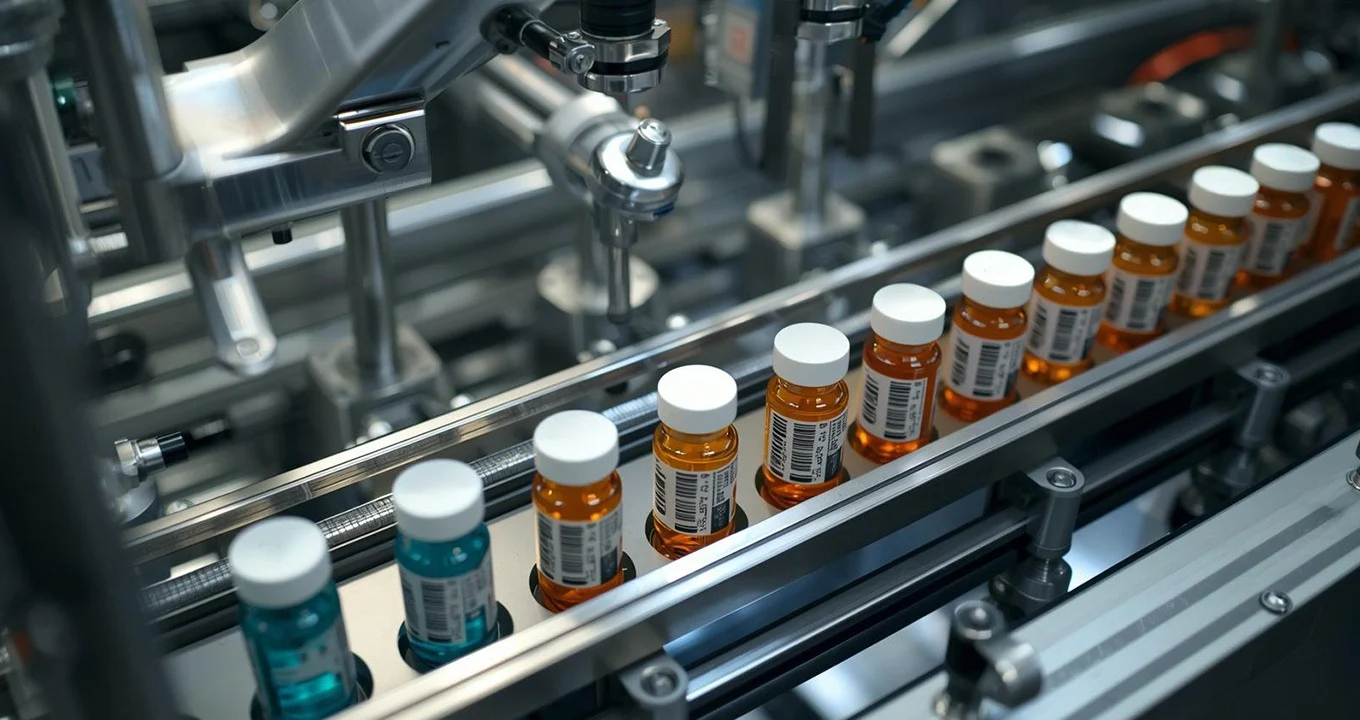
Scan direction varies by system. Some automated readers scan from the side, others from the top or bottom. Small cap labels support top-down workflows in storage racks; side-mounted labels may be more appropriate for other automated configurations. Glossy materials and reflective laminates can create glare that interferes with machine vision - this is often overlooked when selecting materials based primarily on cost.
Test before you scale
Barcode verification - measuring print quality against ISO/IEC standards - should come before production. Verifiers evaluate contrast, modulation, symbol defects, and edge quality, assigning a grade that identifies issues early. But verification alone is not sufficient. Real-world testing with the actual scanners, workflows, and environmental conditions the labels will encounter is essential. Labels should also be tested after freeze-thaw cycles, chemical exposure, and abrasion to confirm that readability holds throughout a sample’s lifecycle.
About this article
This article is adapted from a piece originally published by Computype, specialists in durable labelling solutions helping industrial and laboratory organisations identify, track and protect their products and assets. To read the full original article, visit the Computype blog. Dynamsoft and Computype share a commitment to precision and traceability in complex lab and industrial environments.