


 Blog
Blog
Why Pharma Barcodes Don’t Always Scan as Expected
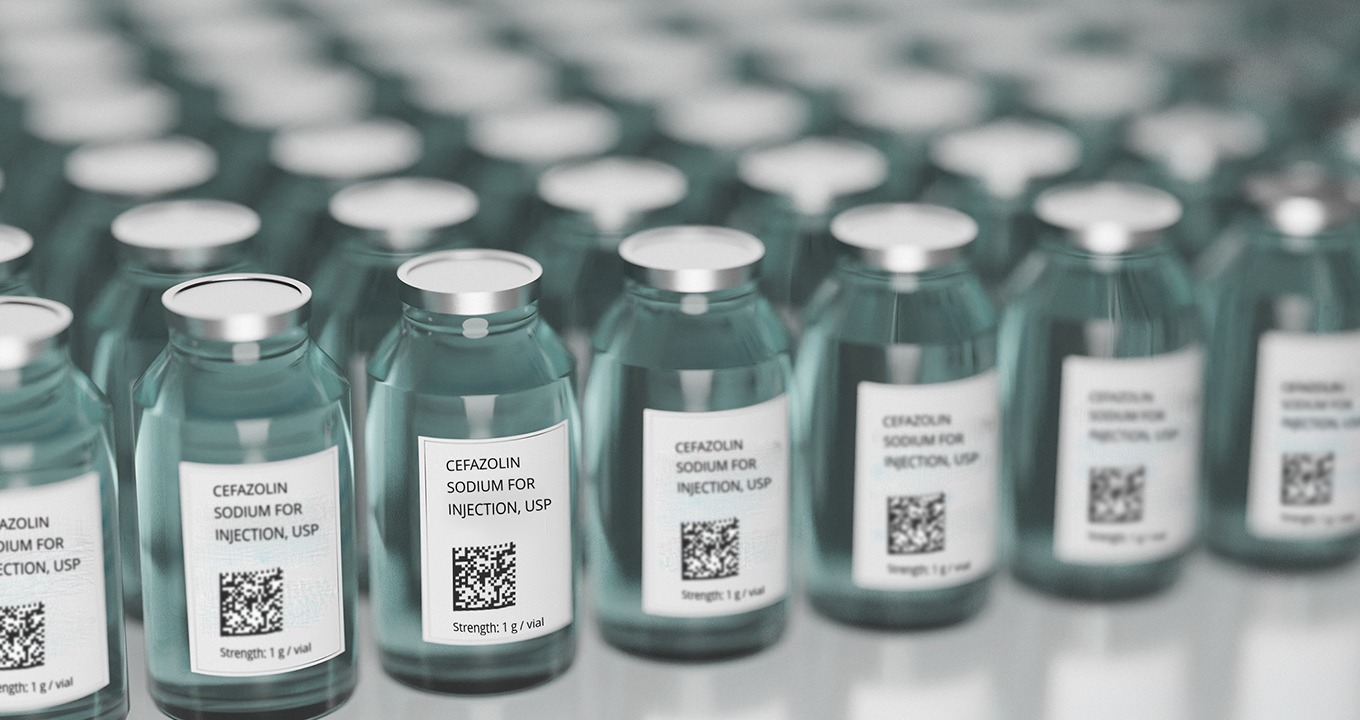
Field observations from barcode capture in pharmaceutical and lab environments
In pharmaceutical and laboratory environments, barcode scanning is expected to be seamless. A vial is picked up, a label is scanned, and the system responds instantly. But in practice, that reliability often breaks down. Barcodes that pass verification fail on the production floor. Codes that scan perfectly in testing become unreadable in cold storage or after routine handling. What looks like a scanning issue is rarely caused by the scanner alone.
So why do pharma barcodes fail to scan?
In most cases, it comes down to a combination of surface distortion, environmental conditions, label degradation, and a disconnect between how barcodes are designed and how they are actually scanned.
What causes barcode scanning failures in pharmaceutical environments?
Barcode failures in pharma and lab settings typically come from real-world conditions that are not accounted for during design or verification.
The most common causes include:
- Curved surfaces that distort barcode geometry
- Cold storage environments that reduce contrast
- Physical wear from handling and chemicals
- Labels designed for print quality, not scan reliability
These factors create a gap between lab-tested performance and real-world usability.
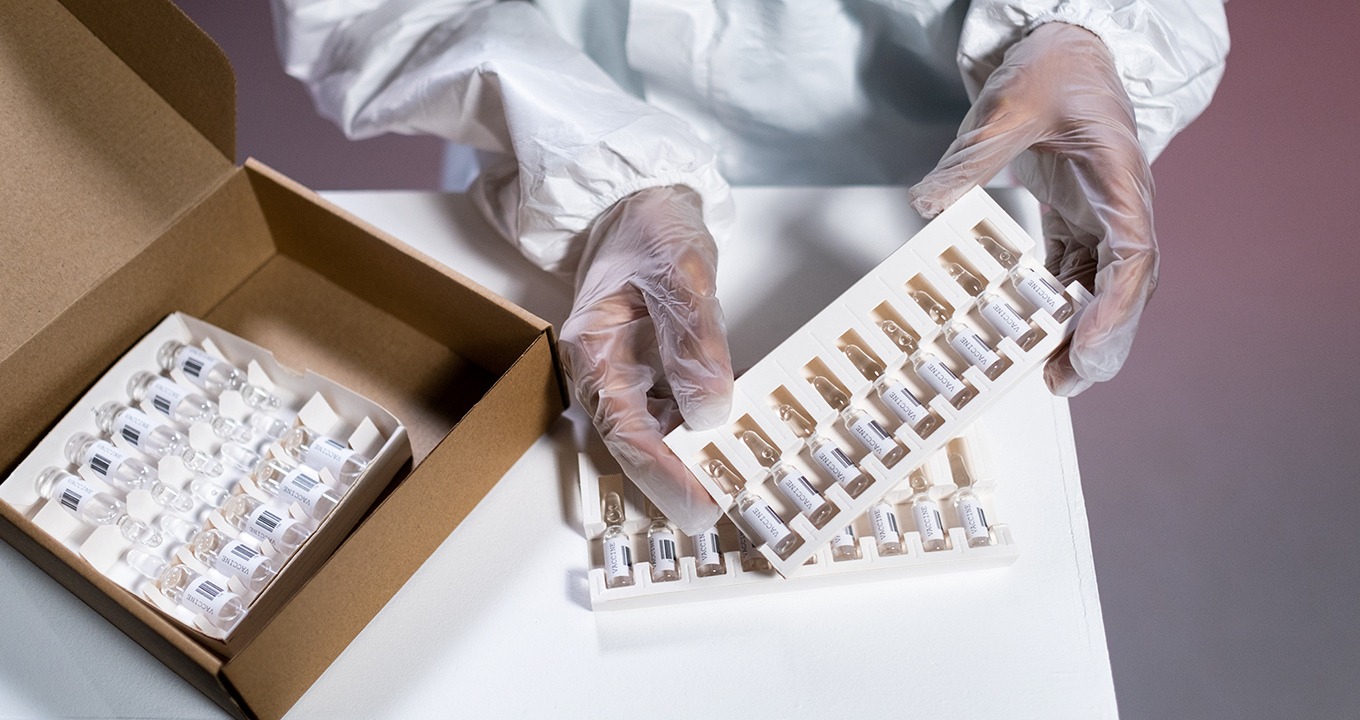
Why do barcodes pass verification but fail in the field?
Barcode verification is done under controlled conditions:
- Flat surfaces
- Ideal lighting
- Fixed angles
However, real-world scanning involves:
- Handheld devices
- Variable lighting
- Movement and angle variation
- Environmental stress (temperature, moisture, abrasion)
Key insight:
A barcode can pass verification and still fail to scan because verification does not simulate real usage conditions
Real-World Examples of Pharma Barcode Failure
1. Why do DataMatrix codes fail on curved vials?
DataMatrix codes often fail on curved surfaces because:
- Modules become distorted (stretched or compressed)
- Quiet zones become inconsistent
- Finder patterns lose their expected geometry
This makes it harder for scanners to:
- Detect the barcode region
- Correct perspective
- Reconstruct the data grid
Even high-quality printed codes can become unreliable once applied to small-radius containers.
2. Why do barcodes fail in cold chain environments?
Cold chain conditions introduce multiple scanning challenges:
- Condensation causes glare and blur
- Frost reduces contrast
- Low temperatures affect ink and material performance
These factors interfere with:
- Edge detection
- Image clarity
- *Binarization (separating dark and light areas)
Result: A barcode that scans instantly at room temperature may fail in refrigerated or frozen environments.
3. How does label abrasion affect barcode scanning?
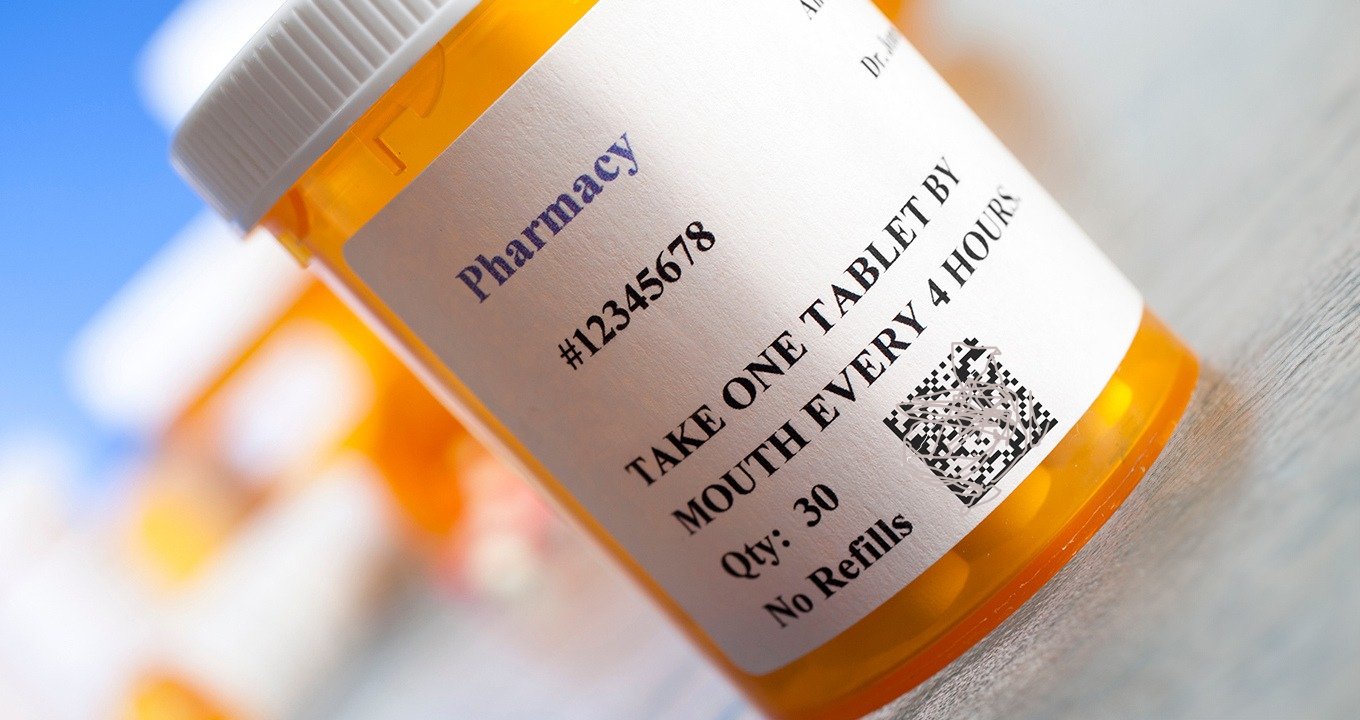
In lab environments, labels are exposed to:
- Frequent handling (often with gloves)
- Contact with racks and equipment
- Chemicals and solvents
Over time, this leads to:
- Missing modules
- Damaged finder patterns
- Reduced contrast
While DataMatrix includes error correction, it cannot compensate for excessive damage.
Key Factors that Impact Barcode Decoding
Barcode decoding depends heavily on image quality. Failures typically occur during:
1. Binarization Poor contrast or glare leads to incorrect interpretation of dark/light regions.
2. Localization The scanner cannot reliably detect where the barcode is.
3. Grid reconstruction Distortion or missing data prevents accurate decoding.
4. Error correction limits Too much damage exceeds recovery capabilities.
These are not just “scanner issues” — they originate from upstream design and labeling decisions.
How does label design impact barcode scanning performance?
Label design is one of the most important - and often overlooked -factors in scan reliability. Common design-related issues:
- Barcode size too small for the environment
- Poor material selection for temperature or chemicals
- Inadequate contrast after exposure to real conditions
- Designs that don’t account for curvature or handling
This is why barcode performance must be evaluated as a system, not as isolated components.
As emphasized by labeling specialists like Computype, effective barcode labeling requires designing for real-world durability and readability — not just print quality. See Computype’s perspective on Designing barcode labels for pharmaceutical environments.
How can pharma companies improve barcode scanning reliability?
1. Design barcodes for real surfaces
- Avoid dense codes on tight curves
- Increase module size when possible
- Preserve quiet zones after application
2. Account for environmental conditions
- Test in cold, humid, and chemical environments
- Simulate condensation and glare
3. Align label design with scanner capabilities
- Ensure sufficient contrast under real lighting
- Avoid pushing density beyond decoding limits
4. Test with real devices
- Use actual scanners, not just verifiers
- Test at different angles, distances, and speeds
- Validate performance over time
Why barcode labeling and scanning must be designed together
Barcode systems fail when labeling and scanning are treated as separate problems. In reality:
- Label design determines what the scanner receives
- The scanner determines whether the barcode is usable
Reliable pharma traceability depends on aligning:
- Material and print quality
- Environmental durability
- Decoding performance
Conclusion: Building Reliable Barcode Systems in Pharma
Barcode systems do not succeed or fail in isolation. Their reliability is determined by how well labeling, materials, and decoding technologies work together in real-world conditions.
A barcode’s performance is shaped not just by how well it prints, but by how reliably it can be captured in real-world environments. Reliable pharmaceutical traceability depends on aligning label design, material performance, and barcode capture into a single, coordinated system. Because in the real world, a barcode is only valuable if it can be read consistently, accurately, and under any condition.