


 Blog
Blog
Specimen Tracking Tech: Barcodes vs RFID vs IoT — How to Choose
In modern healthcare, managing medical specimens accurately and efficiently is critical. From blood vials to tissue samples, each specimen must be tracked through collection, transport, processing, and storage. Errors can lead to lost samples, delayed diagnostics, regulatory noncompliance, and even compromised patient safety.
Healthcare organizations increasingly rely on technology to prevent these issues. Barcodes, RFID, and IoT-based tracking each offer unique benefits — but choosing the right solution depends on workflow, volume, and automation needs. In this article, we’ll compare these technologies, highlight real-world use cases, discuss emerging trends, and provide guidance for decision-makers.
Why Specimen Tracking Matters
Medical specimen tracking is about accuracy, efficiency, and compliance. Labs and hospitals handle thousands of samples daily, each requiring:
- Correct identification (patient and test association)
- Traceable chain-of-custody for regulatory and audit purposes
- Safe transport and storage (including temperature-sensitive samples)
- Efficient inventory management and process automation
Investing in robust tracking technologies helps reduce sample loss, prevent mislabeling, speed up diagnostics, and maintain compliance with standards such as CLIA, CAP, and FDA regulations.
The medical specimen tracking market — estimated at USD 1.48B in 2025 and projected to grow significantly over the next decade, driven by rising sample volumes, stricter compliance requirements, and increased adoption of lab automation solutions. The scale highlights both the rapid growth of the industry and the wide variety vendors and technologies competing to address lab and hospital needs, making it increasingly important for decision-makers to understand the strengths and tradeoffs for each solution.
Technology Options for Specimen Tracking
1. Barcodes (1D & 2D / DataMatrix)
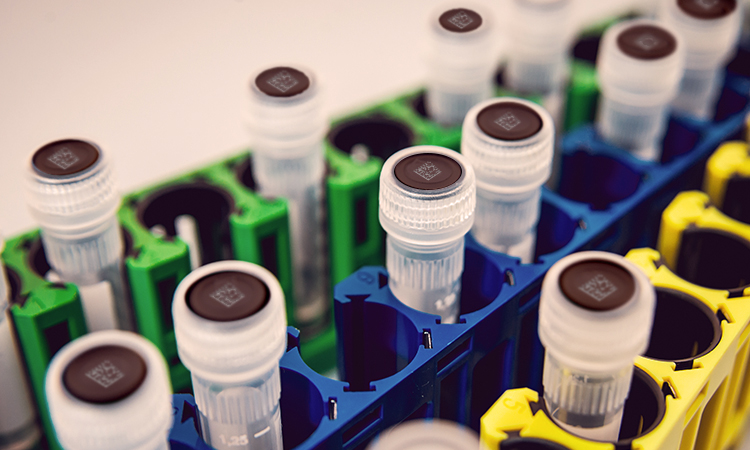
Barcodes are the most common specimen tracking method. They are low-cost, widely supported, and easy to implement.
Pros:
- Mature, reliable technology
- Supports both 1D and compact 2D DataMatrix for small tubes
- Compatible with existing camera- or laser-based readers
Cons:
- Requires line-of-sight for scanning
- Manual handling may be required
- Large volume can mean time consuming manual scanning
Use case: Phlebotomy points-of-collection, specimen intake, and tube tracking. Batch scanning can reduce handling time for large volumes of tubes, vials or tissue cassettes.
2. RFID (Passive & Active)
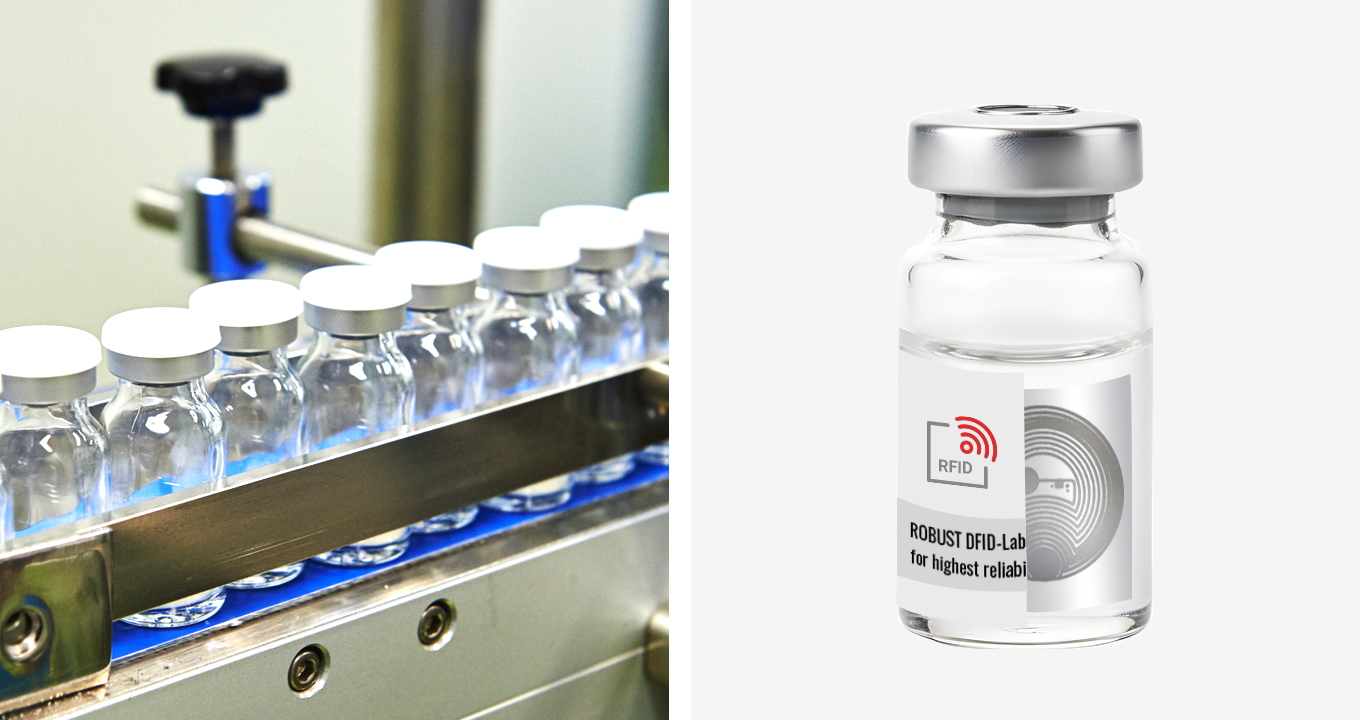
RFID tags allow contactless identification and can be read in bulk.
Pros:
- Enables multiple sample reads simultaneously
- No line-of-sight required
- Useful for reusable containers or transport racks
Cons:
- Higher cost per tag and reader infrastructure
- Can be affected by liquids and metals
- *Active tags require battery management
Use case: Tracking racks of samples between departments, cold-chain transport containers, and biobank storage where bulk visibility is critical.
3. IoT Sensors
IoT-based solutions offer continuous monitoring of location, temperature, and environmental conditions.
Pros:
- Real-time alerts for temperature exceptions or unauthorized movement
- Supports remote monitoring and audit logging
- Useful for high-value or sensitive specimens
Cons:
- More complex deployment and network management
- Battery life and security concerns
- Higher cost compared to traditional barcodes
Use case: Cryogenic biobanks, clinical trial samples, or inter-facility transport where environmental control and continuous visibility are critical.
Comparing Technologies: Strengths and Tradeoffs
| Technology | Strengths | Weaknesses | Typical Use |
|---|---|---|---|
| Barcodes (1D/2D) | Low cost, mature, easy integration | Line-of-sight required, manual handling | Tube-level ID, accessioning |
| RFID (Passive) | Bulk reads, reusable containers, no line-of-sight | Tag cost, interference, read-zone setup | Racks, transport carts, storage bins |
| RFID (Active) | Long range, real-time location | High cost, battery maintenance | Asset tracking, mobile transport |
| IoT / BLE Sensors | Continuous telemetry, alerts | Deployment complexity, network & battery | Cryogenic storage, clinical trials, in-transit specimens |
| Robotics / Vision Systems | High-throughput automation | High CapEx, complex integration | Central labs, automated sorting |
Scenario-Based Recommendations
A. Point-of-Collection (Clinic/Phlebotomy)
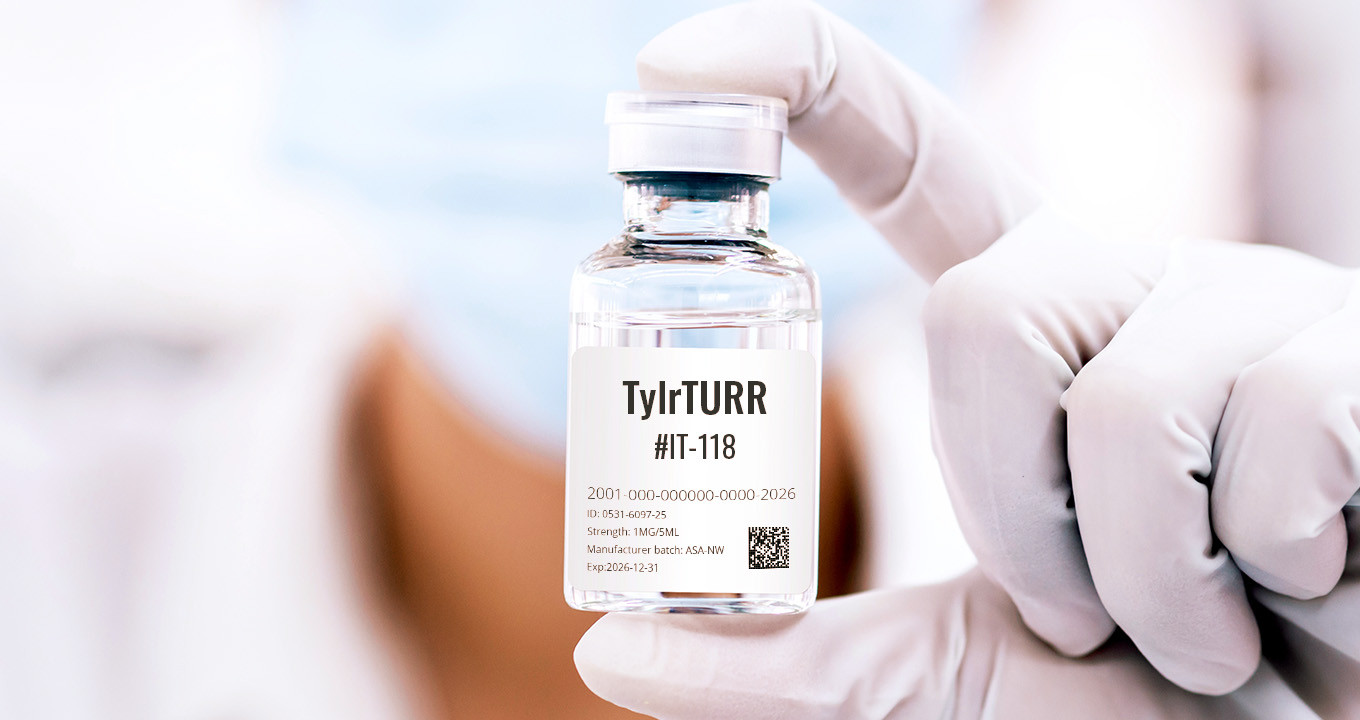
Recommended: 2D DataMatrix barcode per tube + camera capture
Why: Fast, low-cost, minimal training required; ideal for patient-facing collection points
B. Hospital Lab Receiving & Accessioning
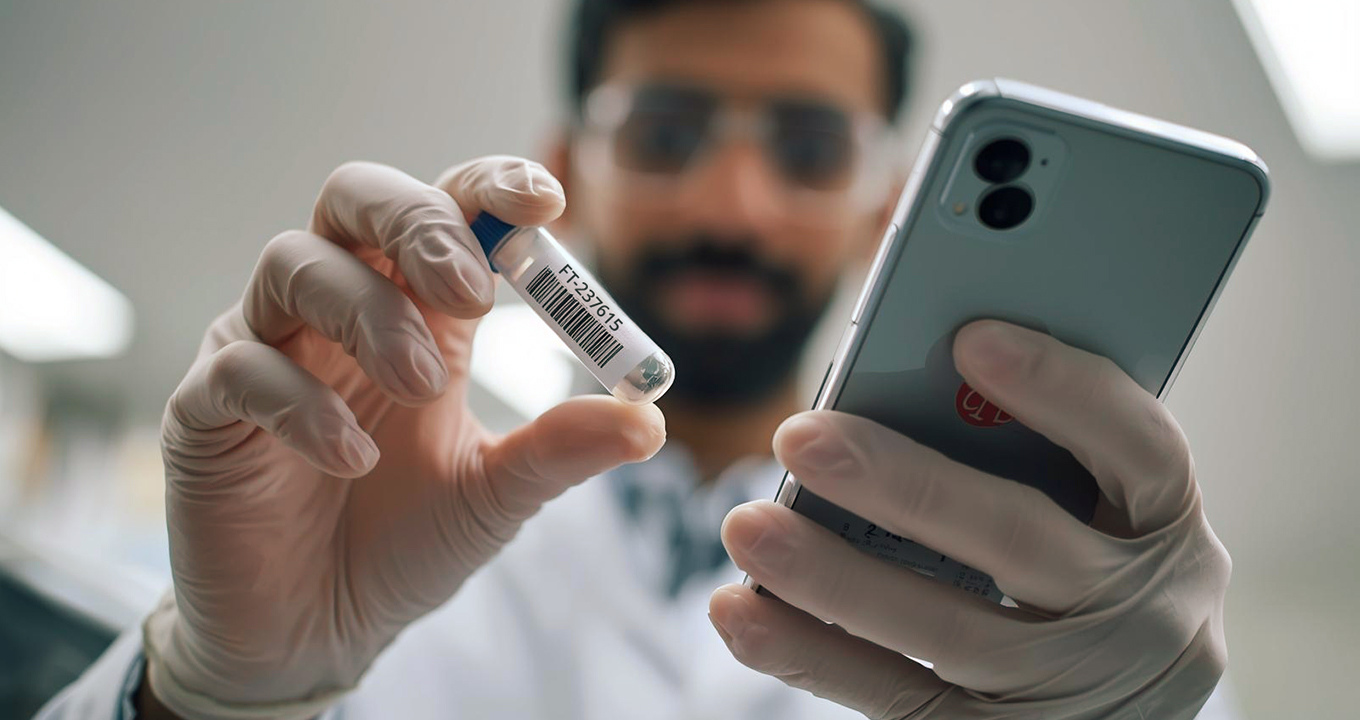
Recommended: Batch barcode scanning for trays; RFID for transport carts if high volume
Why: Reduces manual scanning, speeds up processing, and improves traceability
C. High-Throughput Central Labs
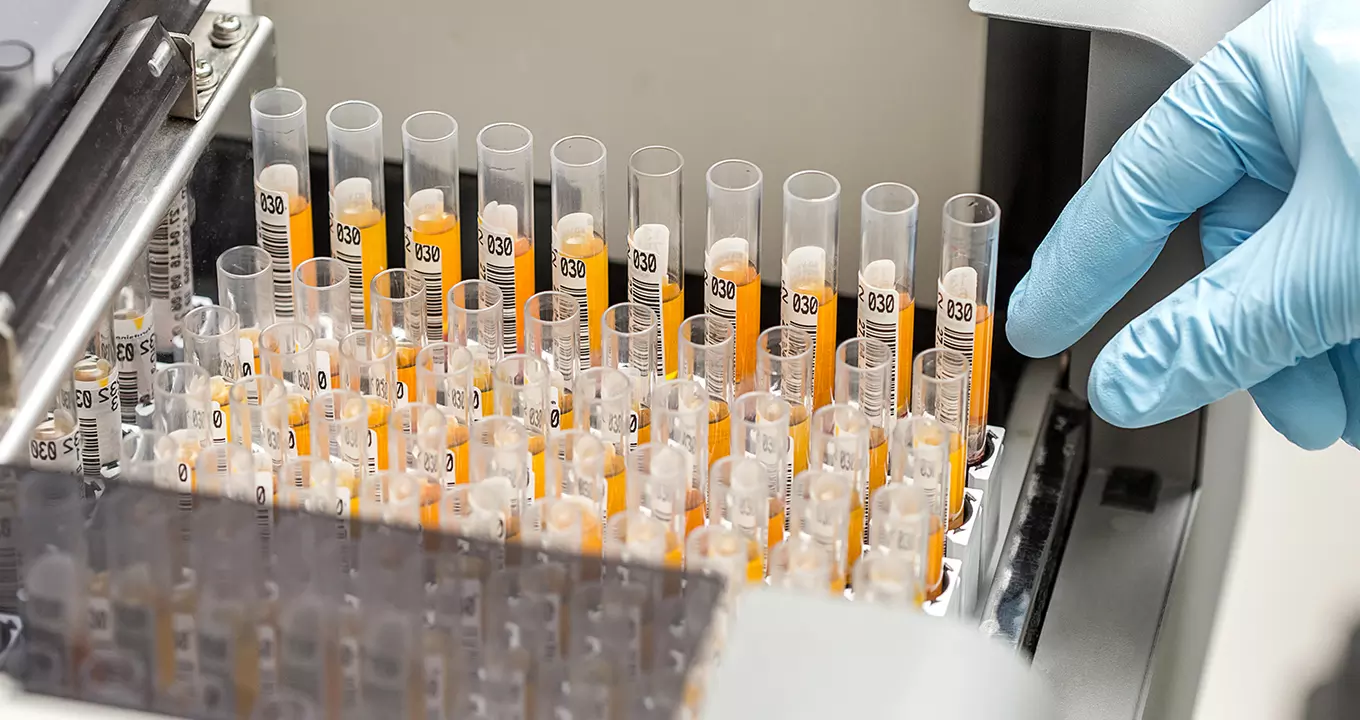
Recommended: Hybrid approach — barcode on each sample + RFID on racks + robotic sorters with vision
Why: Supports automation, minimizes errors, scales for thousands of samples/day
D. Cold-Chain / Biobanks / Clinical Trials
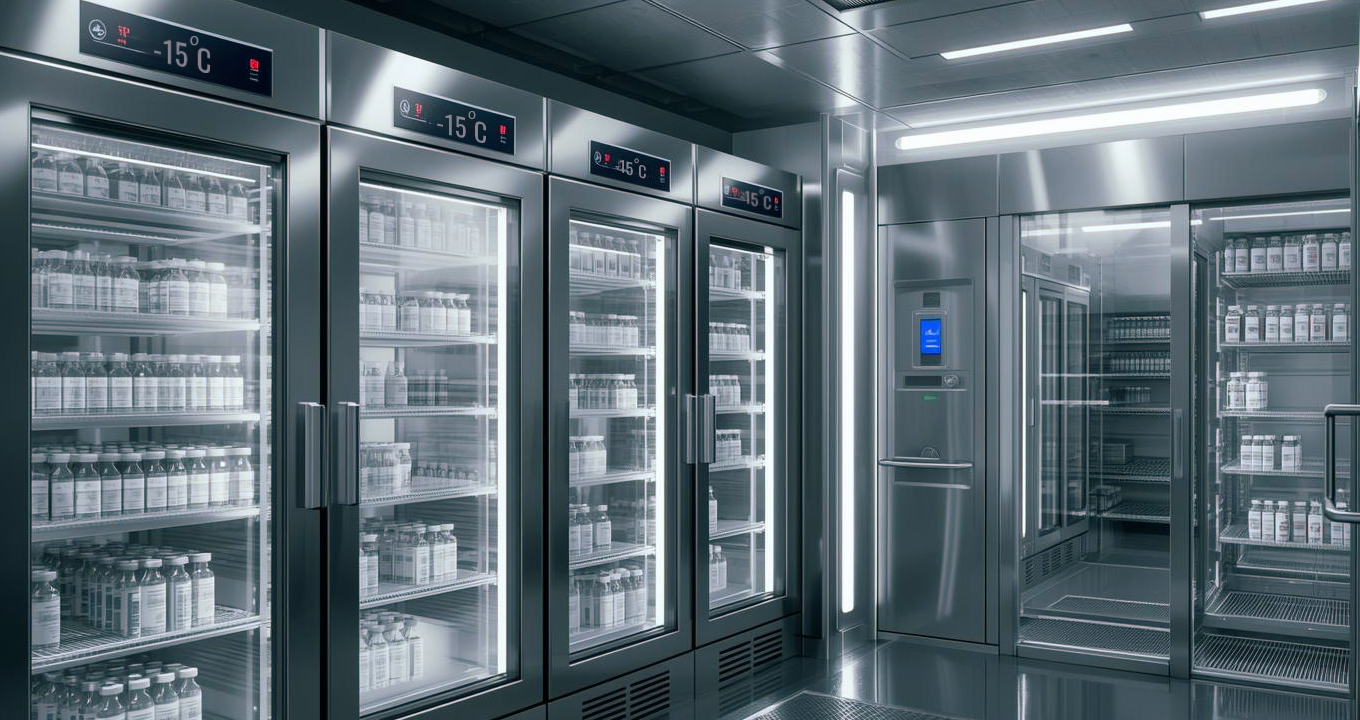
Recommended: IoT temperature sensors + barcode on individual samples; RFID for racks if needed
Why: Maintains continuous environmental monitoring and chain-of-custody
E. Sample Transport Between Facilities
Recommended: RFID or BLE tags on transport containers + barcode per sample
Why: Provides bulk visibility during transit, ensures samples reach destination intact
Emerging Trends in Specimen Tracking
Robotic Automation & Vision Systems: Labs are increasingly adopting robots for sorting, decapping, and relabelling, paired with machine vision to reduce human error.
Self-Service Specimen Kiosks: Patient-facing kiosks improve accuracy and efficiency, printing barcoded labels at the point-of-collection.
Batch Barcode Scanning Batch capture using a mobile phone camera allows hundreds of samples to be scanned simultaneously, directly into internal systems and enabling search and find of specific samples.
Hybrid IoT and Digital Twins: Combining barcodes/RFID with IoT telemetry creates a “digital specimen” that can be tracked throughout the lab workflow.
Market Momentum: With increasing regulatory requirements, growing sample volumes, and adoption of lab automation, the specimen tracking market is projected to grow rapidly, offering new opportunities for healthcare IT solutions.
Technical Considerations for Implementation
Integration: Must connect to LIMS, LIS, and ERP systems Data capture: Support for 1D, 2D, RFID, and batch scanning Environmental monitoring: Temperature, humidity, and alerting for sensitive specimens Compliance: Audit trails, chain-of-custody logs, regulatory reporting Security: Encryption, role-based access, and PHI protection Operational: Label durability, RFID interference management, battery replacement for active tags
Conclusion
Choosing the right specimen tracking technology depends on workflow, volume, and automation goals. Barcodes remain essential for per-sample identification, RFID provides bulk tracking and mobility, and IoT sensors enable continuous environmental monitoring. Robotics and kiosks are increasingly supplementing these technologies, enabling faster, safer, and more scalable lab operations.
Dynamsoft’s data capture SDKs, including batch barcode scanning, help healthcare providers and labs read 1D and 2D barcodes efficiently — supporting both traditional workflows and emerging high-throughput, automated environments. Whether it’s bedside collection, lab intake, or robotic sorting, Dynamsoft enables accurate, fast, and compliant specimen tracking across the healthcare ecosystem.
Contact our experts to find the right solution for you
Try barcode scanner online demo
Download Dynamsoft Batch Barcode Scanner from App Store