


Category: healthcare
-
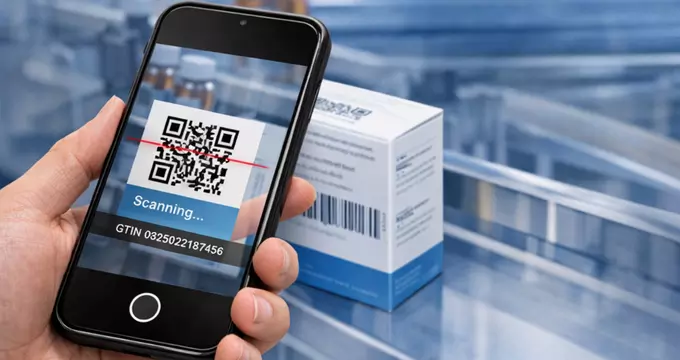
Traceability gaps occur when the physical movement of pharmaceutical products is not accurately reflected in digital records. These gaps break the “digital thread” required for compliance with regulations such as the U.S. Drug Supply Chain Security Act (DSCSA) and the EU Falsified Medicines Directive (FMD). In modern global supply chains...
Read more › -

In the pharmaceutical industry, the supply chain is vital to patient safety. Each unit must be traceable, verifiable, and auditable from serialization to dispensing. Barcode scanning delivers the digital infrastructure needed for this process. When evaluating barcode scanning solutions, organizations often question whether to prioritize scan accuracy or speed. In...
Read more › -
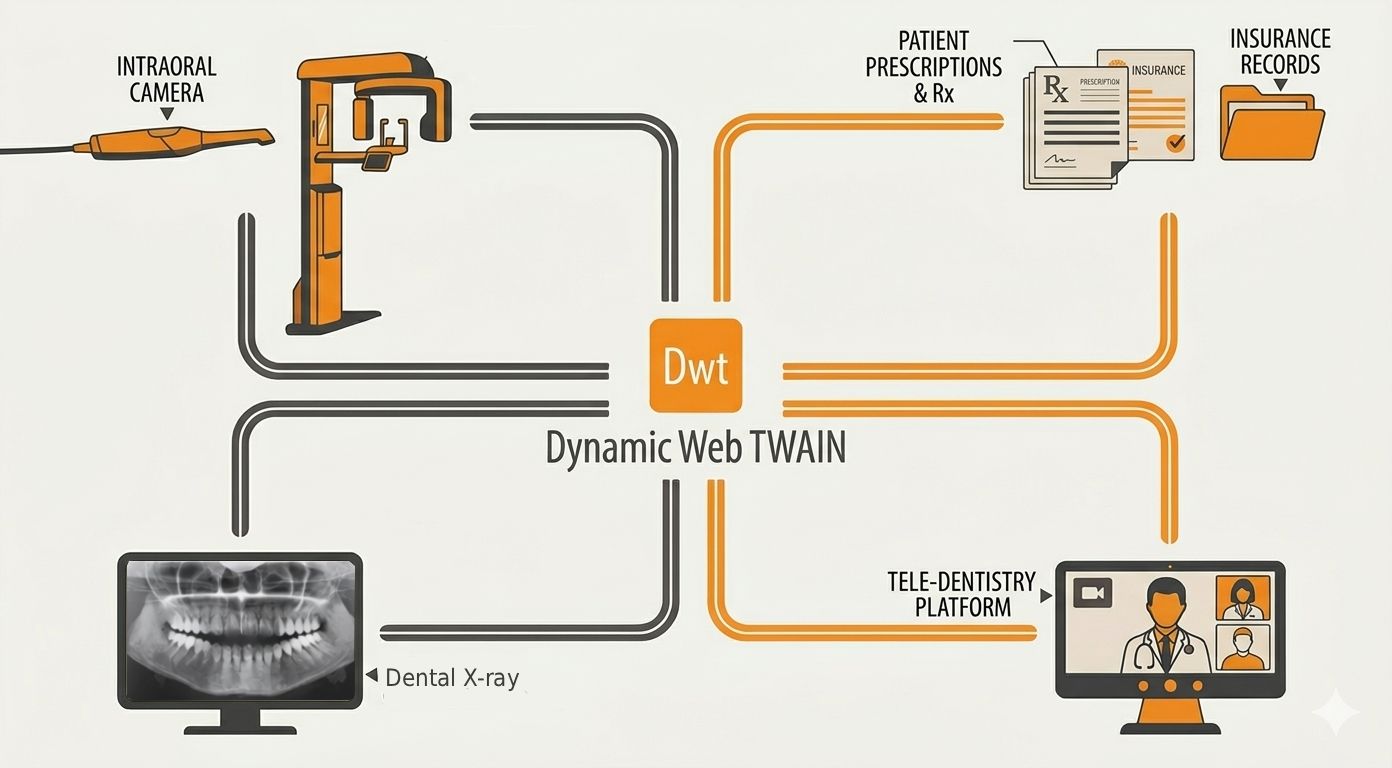
Bridging the Gap: Integrating Dental Imaging Hardware into Web Applications In the modern dental clinic, the “paperless” goal is often hindered by the hardware gap. Dynamic Web TWAIN provides a JavaScript SDK and a local capture service that allows web applications to communicate directly with local imaging devices, bringing the...
Read more › -
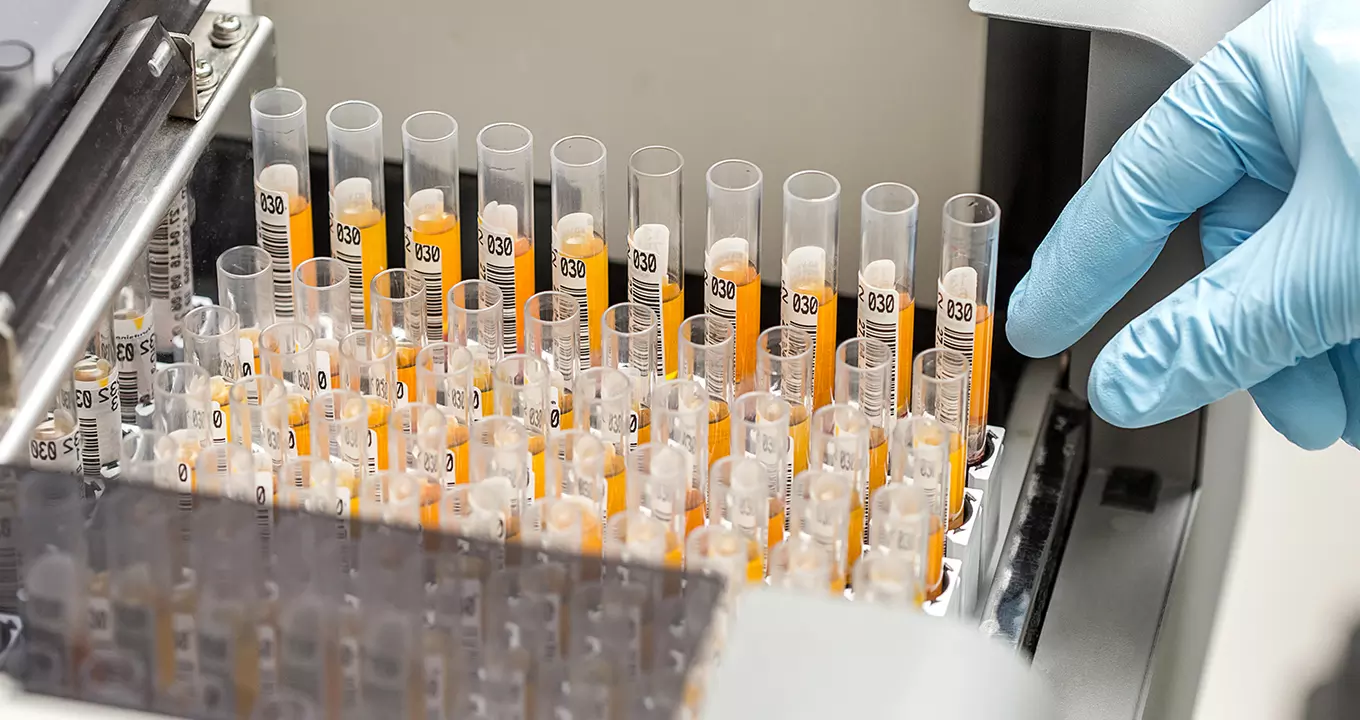
In modern healthcare, managing medical specimens accurately and efficiently is critical. From blood vials to tissue samples, each specimen must be tracked through collection, transport, processing, and storage. Errors can lead to lost samples, delayed diagnostics, regulatory noncompliance, and even compromised patient safety. Healthcare organizations increasingly rely on technology to...
Read more › -

Behind every medical device, vial, or pharmaceutical package that’s scanned in a hospital or lab, there’s a global standard quietly enabling safety and efficiency - GS1. GS1 standards define how healthcare products are identified, barcoded, and tracked across the supply chain. They underpin everything from patient safety to recall traceability....
Read more › -

Hospital pharmacies play a critical role in medication safety and operational efficiency. To meet strict regulatory requirements and ensure proper patient care, it becomes critical to accurately track every item, from vials to blister packs. However, managing income stock, recall, and expiry dates has become more complex than ever. Moreover,...
Read more › -
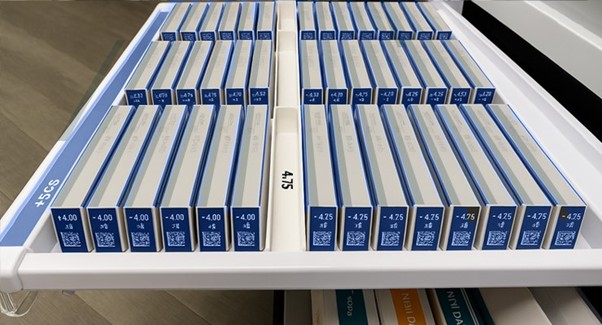
Managing inventory in medical clinics is a critical but often inefficient process—especially when it involves large quantities of small, tightly packed items like contact lenses. Medical reps regularly visit clinics to restock shelves, remove expired items, and ensure that the right products are available at the point of care. But...
Read more › -

Every day, laboratories around the world receive hundreds or even thousands of samples which demand sophisticated solutions that go beyond simple identification. Imagine the logistical challenge of accurately sorting these huge volume of sample tubes based on various criteria – test type, department, destination, or priority. Manual sorting is not...
Read more › -

In a busy hospital or a clinic, staff need to quickly and accurately identify patients for various procedures, from administering medication to updating medical records. Similarly, tracking medications and supplies is essential for inventory management and ensuring the right treatment for the right patient. This necessitates a reliable and versatile...
Read more › -
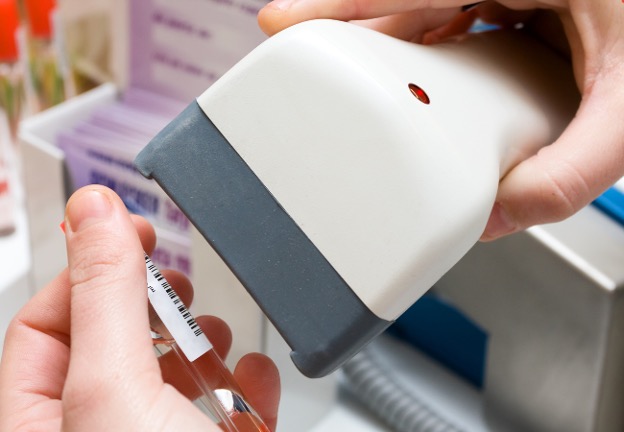
Barcode technology has been widely adopted across various industries like retail, logistics, healthcare, etc. In the healthcare sector, Barcoded Medication Administration (BCMA) has emerged as a critical tool in improving patient safety and reducing medication errors. Barcoded Medication Administration (BCMA) is a safety system that uses barcode scanning to verify...
Read more › -
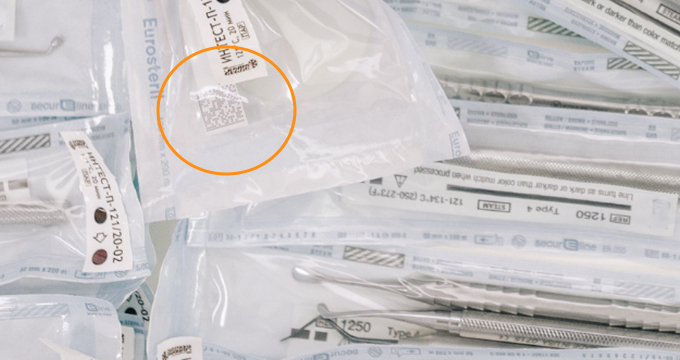
Barcodes play a crucial role in streamlining workflow efficiency, ensuring patient safety, and enhancing data accuracy within the medical industry. However, barcode scanning in medical labs and healthcare settings presents distinct challenges. These include scanning multiple barcodes simultaneously, dealing with small barcodes or those on curved surfaces such as lab...
Read more › -

The adoption of e-prescriptions in Europe has been steadily increasing in recent years. In 2019, the European Commission adopted the eHealth Action Plan, which aims to promote the digitization of healthcare across the EU. As part of this plan, the European initiative for health data sharing across member states was...
Read more › -
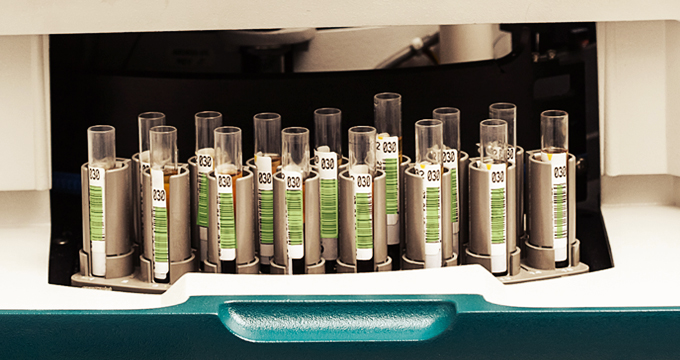
Automated Batch Barcode Scanning for Vial Inventory Management Working in a lab requires precision and efficiency. Keeping track of vial inventories is crucial but time-consuming. Manual scanning one-by-one simply can’t keep up with the pace of modern laboratory operations. This is where Dynamsoft’s barcode scanning solutions come in — enabling...
Read more › -
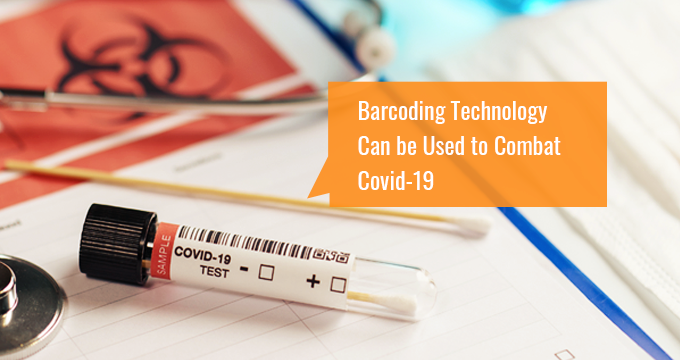
Barcodes have long been used to track and manage inventories; however, the use cases for barcode scanning don’t end there. As the world continues to face the Covid-19 pandemic, innovators and governments of various countries have been trying numerous ways to contain its spread. Barcoding technology is one of them....
Read more › -

The US has so far had well more than one million confirmed cases of COVID-19. It has forced practically every major city to temporarily close businesses to stop its spread. But, as people look to get back to work at physical locations, without proper precautions corporate offices might be amongst...
Read more › -

Despite having Electronic Health Records (EHR), the use of paperwork in healthcare organizations remains stronger than ever. Patient forms, nurse charting, and doctors notes will continue to be written by hand well into the foreseeable future. Download eBook on Enabling Technologies in EHR As a result of having both analog...
Read more ›