


Tag: barcode scanning
-

What Changes When Moving from 96 to 384 and 1536-Well Microplates? Laboratory automation is moving toward higher density within the same footprint. As screening and genomics workflows transition from 96-well plates to 384-well and 1536-well formats, each camera frame captures each captured image contains hundreds of small, closely spaced 2D...
Read more › -

In high-throughput laboratory automation, efficiency is rarely lost to major system failures. Instead, it declines incrementally, millisecond by millisecond. Barcode decoding latency is a common source of hidden efficiency loss. Once decoding performance is considered “acceptable,” its impact on motion control and system timing is often overlooked. Even minor delays...
Read more › -
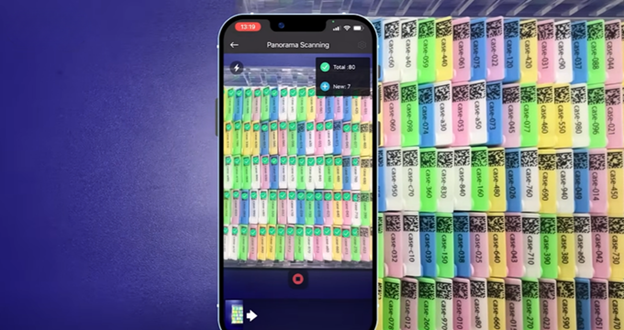
Why a 1% Read Failure Rate Creates Outsized Manual Work and Throughput Loss In high-throughput laboratory automation, most systems are built for standard scenarios, and a 99% barcode read success rate is often deemed sufficient. At scale, this assumption fails. In a facility processing 50,000 samples daily, a 1% failure...
Read more › -
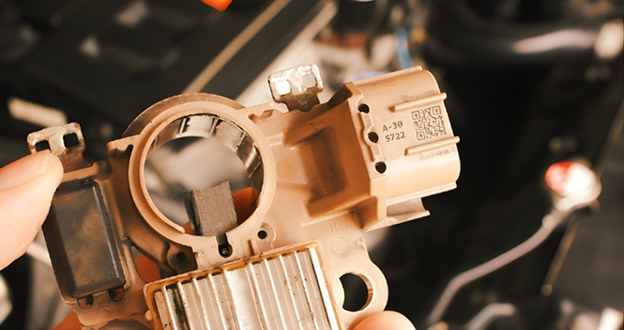
As manufacturing becomes more complex, permanently marked identifiers are replacing printed labels to maintain traceability from production to service. Traditional identification methods, such as printed labels and stickers, often fail in production environments. Exposure to heat, chemicals, abrasion, sterilization, and long product lifecycles can quickly degrade labels and disrupt the...
Read more › -
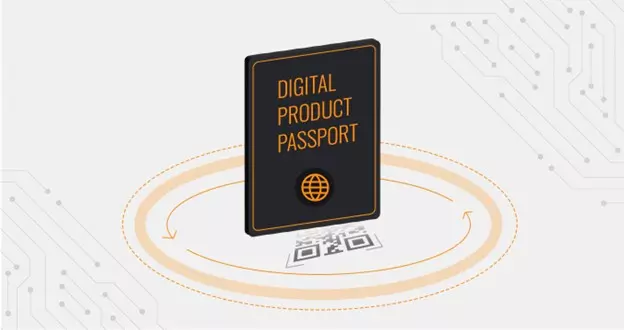
Across both the EU and the US, a major shift is underway: products are beginning to carry persistent, scannable digital identities that track their history, materials, and lifecycle from manufacturing to end-of-life. The concept isn’t fully standardised worldwide yet, but momentum is accelerating - and hardware manufacturers need to prepare....
Read more › -

The integration of Artificial Intelligence (AI) into business operations is no longer a futuristic concept; it is a present-day mandate. While excitement abounds over AI’s predictive and analytical capabilities, a fundamental truth remains: AI is only as good as the data it consumes. This critical relationship is most evident in...
Read more › -
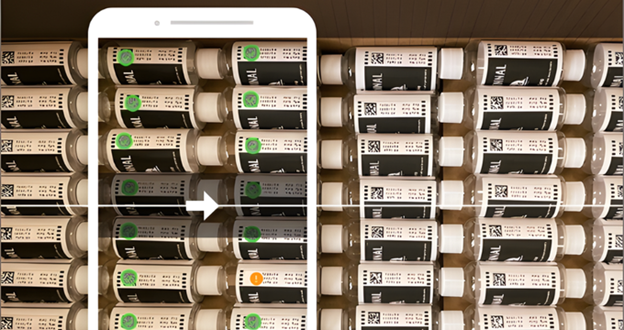
The pharmaceutical industry stands at a critical inflection point. As global supply chains grow increasingly complex and regulatory frameworks tighten, the ability to track every unit, from the research lab to the pharmacy shelf, has become non-negotiable. A single scanning error can cascade into batch rejections, compliance violations, and patient...
Read more › -
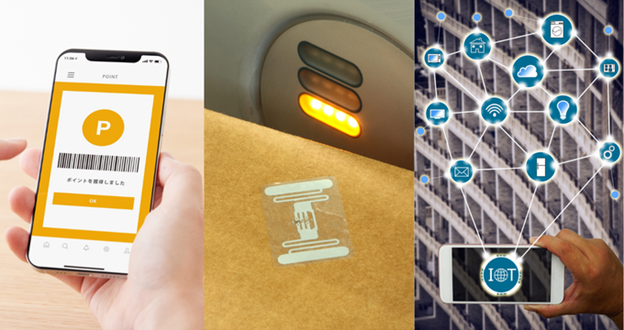
Modern organizations run on data. From retail shelves and warehouse pallets to manufacturing tools and sensitive pharmaceuticals, businesses need to know what they have, where it is, and in what condition it is. Barcodes, RFID, and IoT sensors are among the most widely used data collection methods, but each serves...
Read more › -
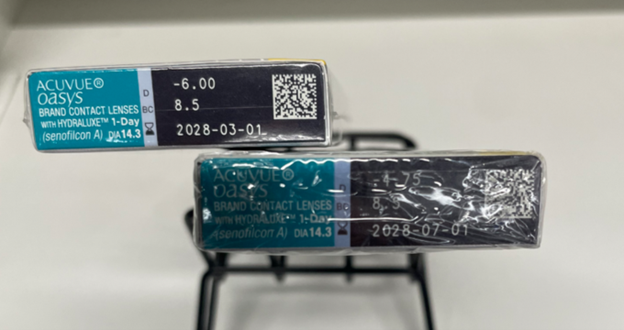
Barcodes are everywhere, and rightly so. They help streamline workflows across various industries, resulting in increased efficiency and enhanced productivity. While barcodes make everyday tasks easier, not all of them are easy to scan. One such type is the inverted barcode. If you’ve ever struggled to scan one, this blog...
Read more › -

DotCode cigarette tracking plays a critical role in modern tobacco track and trace systems by enabling accurate unit-level traceability from cartons down to individual packs. By decoding high-density DotCode symbols printed on cigarette packaging, manufacturers and regulators can ensure compliance, prevent counterfeiting, and monitor supply chains in real time. Using...
Read more › -
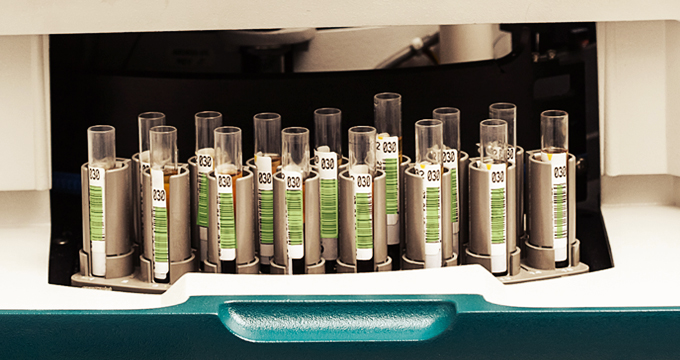
Automated Batch Barcode Scanning for Vial Inventory Management Working in a lab requires precision and efficiency. Keeping track of vial inventories is crucial but time-consuming. Manual scanning one-by-one simply can’t keep up with the pace of modern laboratory operations. This is where Dynamsoft’s barcode scanning solutions come in — enabling...
Read more ›